How to Tell Your Skin Type (And Why Most People Get It Wrong)
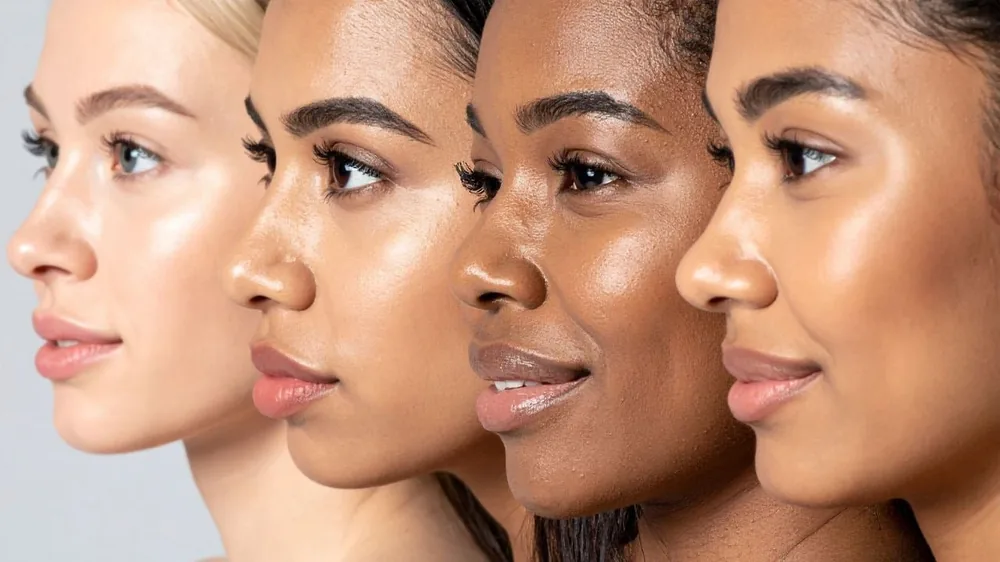
You bought the viral serum everyone on Instagram is using. It did nothing. Or worse, it made your skin angry. Now you're sitting there holding a sixty-dollar bottle that's basically expensive disappointment.
The product isn't the problem. Your skin type is.
Almost nobody walking into my studio at NR SKIN knows their actual skin type. They come in telling me they have oily skin because they saw a TikTok about oil control. Or they say they have dry skin because their face feels tight, when really their skin barrier is damaged and they need something completely different.
Here's what most people miss: skin type is not the same as a skin concern. You can have oily skin and acne. You can have dry skin and acne. Those are different problems that need different approaches. But if you're treating oily-acne skin the same way you treat dry-acne skin, you will make at least one of them worse.
The Five Skin Types
There are five actual skin types. Everything else is marketing.
Normal skin doesn't feel too tight or too greasy. It's not flaky. It doesn't break out constantly. People with truly normal skin are lucky and they know it. Don't make them jealous.
Dry skin feels tight after cleansing. It can look dull or rough. You might see flaking, especially around the nose and chin. Dry skin produces less oil than it needs, so it's always asking for moisture. It's genetic, though age, weather, and certain medications can make it worse.
Oily skin produces excess sebum. Your face looks shiny a few hours after cleansing, especially in the T-zone. Makeup slides off. Your pores tend to be more visible. Oily skin is not dirty skin. It just makes more oil than average, and that's largely determined by your hormones and genetics.
Combination skin is exactly what it sounds like. Some areas are oily (usually the forehead and nose), while other areas are dry or normal (typically the cheeks). This is actually the most common skin type, which is why one-size-fits-all products rarely work. The oil-control cream destroys your cheeks. The heavy moisturizer makes your nose shine.
Sensitive skin is the tricky one. It can react to products, weather, stress, or sometimes nothing you can identify. Redness, stinging, burning. Sensitive skin can overlap with any of the other types, which makes it hard to pin down.
How to Figure Out Your Skin Type at Home
You don't need a lab for this. Just follow these steps tomorrow morning before you leave the house:
The bare-face test. Wash your face with a gentle cleanser. Pat it dry. Don't put anything on it. Wait two hours. Don't touch your face. After two hours, look in the mirror and pay attention to how your skin feels.
If your whole face feels tight and maybe a bit flaky, you have dry skin. If your entire face is visibly shiny and you could probably fry an egg on your forehead, you have oily skin. If your T-zone is shiny but your cheeks feel normal or slightly tight, you have combination skin. If everything looks and feels comfortable, you're in the normal category. If your skin is red, stinging, or irritated, sensitive skin is in the mix.
If you want to be more scientific, use blotting paper. Press a tissue or blotting sheet on different areas of your face after cleansing. Heavy oil on every sheet means oily skin. Very little or no oil means dry. Oil only on the T-zone means combination.
Signs You're Using the Wrong Products
You'll know pretty quickly. Here are the red flags:
Your face feels squeaky clean after washing. That's not actually clean. That's stripped. A cleanser that leaves your skin feeling like it's been degreased is too harsh for your skin type and it's destroying your moisture barrier. Over time, this makes everything worse. Dry skin gets drier. Oily skin produces more oil to compensate. It's a cycle that never ends until you fix the cleanser.
Your moisturizer sits on top of your skin and never absorbs. It's probably too heavy. Oily and combination skin need lighter formulas, usually gel or lotion-based. A thick cream designed for very dry skin will just sit there.
Your skin is breaking out in places it didn't before, or you're experiencing random irritation. This is often a sign that something in your routine is too aggressive for your skin type. Not necessarily a bad product. Just a wrong product.
Why Viral Products Don't Work for Everyone
The skincare algorithm doesn't know your skin type. It knows what gets engagement. A product that went viral is probably doing something really well for a specific group of people. Snail mucin is amazing for some skin types and does nothing for others. Retinol can transform one person's skin and send another person to the dermatologist. The ingredient isn't the problem. The mismatch is.
I think about this every time someone tells me they bought something because a celebrity dermatologist recommended it on television. Those products work. Just not for everyone. That's not a flaw in the product. It's a flaw in the idea that one product should work for every face.
Ingredient Guidance by Skin Type
Here's a starting point. Not rules. Starting points.
Dry skin responds well to hyaluronic acid, ceramides, glycerin, and squalane. These ingredients help your skin hold onto moisture. Look for creams and balmy textures. Avoid alcohol-based toners and harsh physical scrubs.
Oily skin benefits from salicylic acid, niacinamide, and lightweight hydrating ingredients like hyaluronic acid. Yes, oily skin still needs hydration. People often confuse oil and water. You can have excess oil and still be dehydrated, which is why skipping moisturizer often makes oily skin worse. Look for gel formulas and avoid heavy occlusive ingredients like petrolatum and lanolin.
Combination skin is where it gets fun. You might actually need two different products. A lighter formula for your T-zone and something more moisturizing for your cheeks. Or you can find a balanced formula that works for everything, but it takes some testing. Niacinamide is great for combination skin because it regulates oil without over-drying.
Sensitive skin needs a short ingredient list. Fewer ingredients means fewer things that can trigger a reaction. Look for calming ingredients like centella asiatica, aloe, and oat extract. Avoid fragrances, essential oils, and anything with a high concentration of active acids until your barrier is healed. Patch test everything.
How Long Should You Test a Product?
Most people give up after three days. That's not long enough. It takes about four to six weeks to see real changes from a skincare product, because that's how long a full skin cycle takes. Your skin cells need time to turn over and show you what the product is actually doing.
The exceptions are irritation and breakouts. If a product makes your skin sting, turn red, or break out badly within the first few days, stop using it. That's not a purge. That's a rejection.
How to Patch Test Safely
Before putting a new product all over your face, test it on a small area first. The inside of your wrist or behind your ear works. Apply a small amount twice daily for three to five days. If you see no redness, itching, or irritation, it's probably safe to use on your face. If you react, you just saved your face from a much bigger problem.
When to Stop Experimenting and See Someone
There's a difference between figuring out your skin type at home and trying to solve complex skin conditions on your own. If you have persistent acne that isn't responding to over-the-counter products, unexplained redness that won't go away, or painful breakouts and cysts, it's time to see a professional. Same thing if you've been trying products for months with no improvement. You're not doing anything wrong. You're just working without the right information.
That's what estheticians actually do. We read the skin. We look at texture, tone, pore size, sensitivity, and hydration levels, and we figure out what your skin actually needs instead of guessing based on what's trending.
When to Stop Experimenting and See Someone
There's a difference between figuring out your skin type at home and trying to solve complex skin conditions yourself. If you have persistent acne that isn't responding to over-the-counter products, unexplained redness that won't go away, or painful breakouts and cysts, it's time to see a professional. Same thing if you've been trying products for months with no improvement. You're not doing anything wrong. You're just working without the right information.
That's what estheticians actually do. We look at texture, tone, pore size, sensitivity, and hydration levels. We figure out what your skin needs instead of guessing based on what's trending.
If You Change One Thing Today
Start with your cleanser. The cleanser is the foundation of everything else. If your cleanser is too harsh or too heavy for your skin type, nothing you layer on top will work properly. A good cleanser removes dirt and oil without stripping your skin. It should leave your face feeling clean but not tight. This is something I paid a lot of attention to while formulating our upcoming cleanser, because I wanted something that works for the widest range of skin types without compromising on quality.
Get your cleanser right, figure out your skin type, and then keep the rest simple. Cleanser, moisturizer, sunscreen. Maybe one treatment product after you know what your skin actually needs. You don't need ten steps. You need the right steps.
Skincare should feel simple and intentional. Not overwhelming. Not expensive. Just right for your skin.
Have questions about your skin type or what products would work for you? Reach out. We're always happy to help.
Ready to experience this in person?
Book Your Appointment